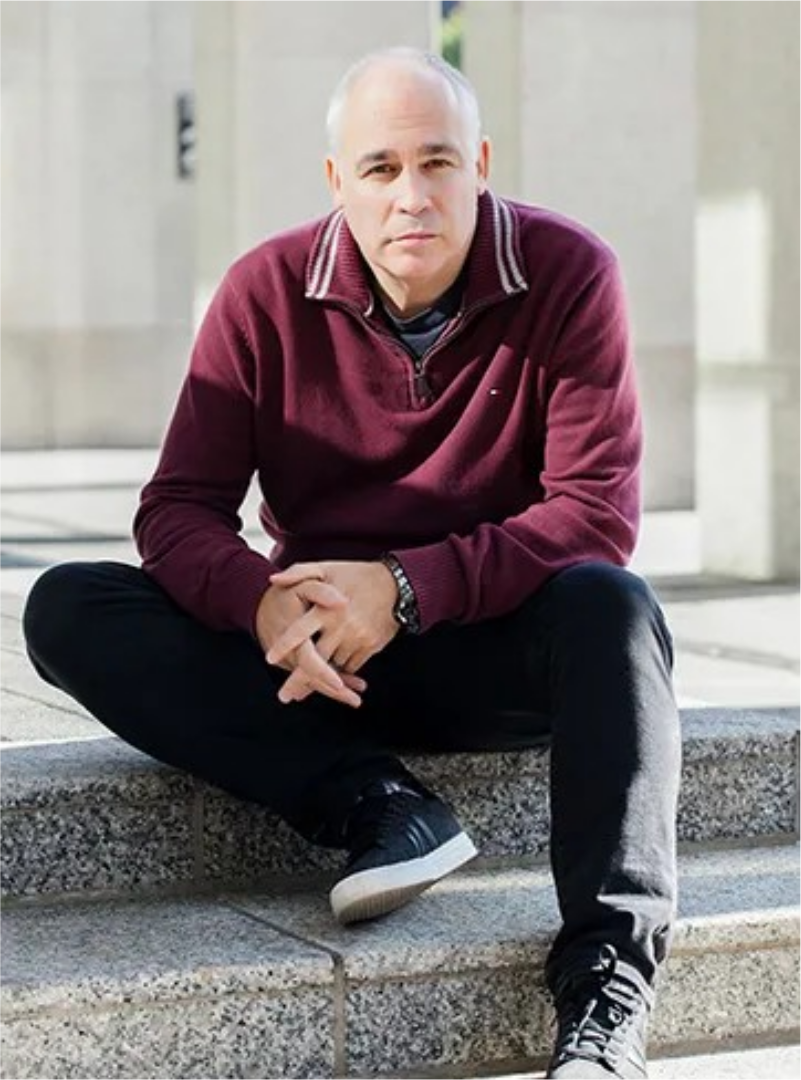
The Long Sleeves: Living The Lie
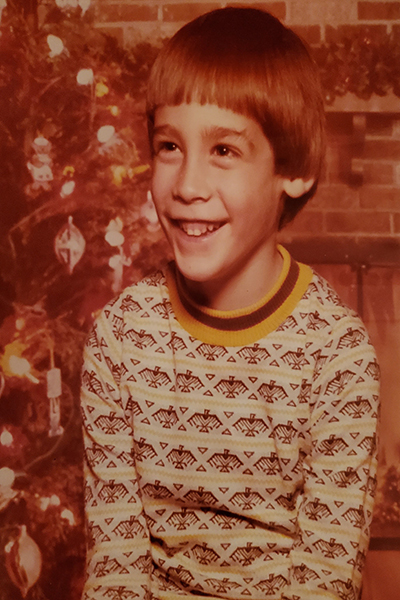
I was maybe ten years old when I noticed they mattered, my arms, more specifically, the hair on my arms. I didn’t think much about them before that. They were just, my arms, a part of my body, nothing strange or wrong about them, but then the kids at school noticed and suddenly, they mattered a lot.
I remember the names clearly. I remember the laughter. I remember the pointing. I remember feeling like something was wrong with me, not just wrong, but visibly, obviously, undeniably wrong. Like everyone could see the defect written on my skin.
So I made a decision, a decision that, at the time, felt like the only logical choice, the only way to make it stop. I would wear long sleeves. All year, every day, even in the summer. Even when it was hot, even when everyone else was in t-shirts and tank tops and even when my body was overheating and the sweat was dripping down my back.
Long sleeves. It was a small thing, really, a practical solution to a social problem, just cover it up, hide it and don’t let them see. Except it wasn’t just about my arms.
The Duality
I was raised differently than most boys. My Mom and my Nana, the two women who raised me, they taught me something that wasn’t common in the world I inhabited. They taught me that it was okay to have feelings, that it was safe to be open, that sensitivity wasn’t a weakness and that authenticity mattered.
At home, with them, I could be myself, I could cry, I could talk about what I felt, I could be vulnerable, I could be the soft, open, emotional person I naturally was.
They created a space where that was not just allowed, it was celebrated but then I would leave that home and walk into the playground, into school, into the world of other boys and suddenly, everything my Mom and Nana taught me had to be hidden.
The sadness? Hide it. The openness? Hide it. The sensitivity? Hide it. The authenticity? Hide it.
Be hard, be tough, don’t cry, don’t share, don’t feel and certainly don’t talk about what you feel. So I became someone else.
I put on a mask. Not intentionally. Not consciously. I didn’t sit down and think, “Today I will become a different person.” It happened naturally, seamlessly, the way a kid learns to code-switch without even knowing they’re doing it.
I became two people.
Home Brad: Open, feeling, authentic, safe.
Playground Brad: Hard, shut down, performing, hidden.
Long sleeves. Literally and metaphorically.
The Confusion
Here’s the thing I didn’t realize as a kid: I didn’t know I was living a dual life.
I just thought that’s what everyone did, I thought all boys came home to Moms and Nana’s who told them it was okay to feel, and then went to school and learned that the real world didn’t work that way, I thought everyone wore long sleeves in the summer.
I didn’t realize until much, much later, through reflection, through introspection, through the work I now do, that this wasn’t normal. That most of the other boys weren’t being raised the way I was raised, that the duality wasn’t something everyone experienced.
Most boys weren’t taught in their homes that feelings were okay. They were already shut down. Already performing, already hiding, before they even got to the playground but I was different and I didn’t know I was different.
So I lived between two worlds, not understanding that one of them was rare. Not understanding that what my Mom and Nana were giving me was a gift. Not understanding that the long sleeves were covering up something the world wanted to shut down but that something was also the most precious part of me.
The confusion was profound, it was the kind of confusion that follows you for decades. That shapes how you see yourself. That affects everything.
The Cost
My confidence took the hit first, if my arms were so wrong that I had to hide them all year, what else was wrong with me?
My openness made me a target, my sensitivity made me weak, my authenticity made me strange.
I learned, really learned that who I was, at my core, wasn’t acceptable, that the thing my Mom and Nana celebrated had to be hidden from the world, so I hid it for years.
My enoughness eroded, my self-worth tanked, my belief in myself became fragile, uncertain, constantly questioned.
Am I enough? No. Am I okay? No. Am I acceptable? No.
I became painfully shy. Quiet and withdrawn, not because that was my nature, but because I had learned that expressing my nature came with a cost, I learned to play small and here’s the thing: those lessons didn’t disappear when I grew up. They didn’t vanish when I left the playground, they didn’t evaporate when I became an adult. They stayed with me, they shaped my relationships, my career choices, my ability to speak up, my willingness to take up space, my confidence in my own worth.
The long sleeves became internal.
The Key
My younger self needed to know something, and I’m only now really getting it: It’s safe to be fully yourself.
I know that intellectually. My Mom and Nana taught me that. I know it from 800 conversations with women who have been the bravest, most authentic versions of themselves but knowing something and living something are different.
And what I’m learning now, what I’m finally, finally allowing myself to feel, is that the freedom I experience when I’m fully myself, when I’m not wearing the mask, when I’m not playing small, when I’m not hiding that freedom is unchaining. It’s unburdening.
It’s like realizing you’ve been in prison with the key in your pocket the whole time. It’s deeper, more authentic and more real.
When I’m fully myself, my relationships are different, my work is different, my impact is different. I’m not a fraction of who I am, I’m whole.
And here’s what I’m learning at 56 that I wish I’d known at 10: The hairy arms were never the problem, the kids at school were never the authority on my worth and the situations, the environments, the relationships that require me to hide who I am, those are the ones that need to change, not me.
The Question
I spent decades wearing long sleeves in the summer, hiding because I was afraid, playing small because I thought that’s what the world required but what if the world doesn’t require that?
What if the people who love us, really love us, want the full version, not the hidden version?
What if my sensitivity, my openness, my authenticity, my heart, what if those are exactly what the world needs from me?
What if the long sleeves are the problem, not the arms?
I’m learning that now, better late than never.
And I’m asking you:
Where are you still wearing long sleeves?
What are you hiding that the world actually needs to see?
What would change if you took them off?